The Invisible Colossus: How Westminster's Master of Nothing Conquered Everything

A Legacy Built on Beautiful Nothingness
In an age where politicians are constantly pilloried for their positions, one man has achieved what many consider impossible: complete and utter positional neutrality. Sir Reginald Vaguely-Committal MP, Member for Little Evading-on-Thames, has spent three decades in Parliament without once committing to a stance on anything more controversial than the weather – and even then, only when pressed.
 Photo: Little Evading-on-Thames, via pi.movoto.com
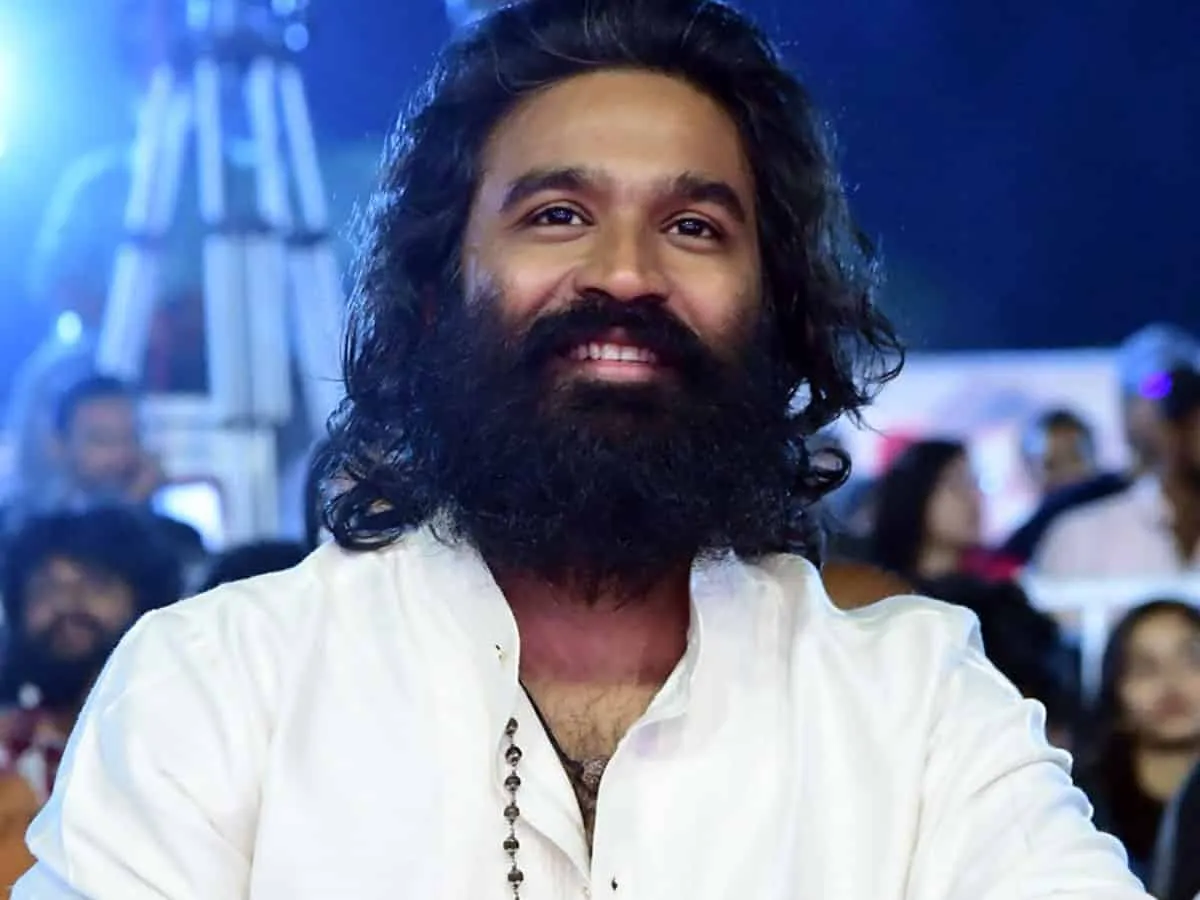 Photo: Sir Reginald Vaguely-Committal, via cdn.gulte.com
"Reggie represents everything that's wonderful about British politics," gushed veteran political correspondent Dame Penelope Scoop-Hunter. "In thirty years of interviews, I've never once caught him saying anything remotely quotable. It's masterful."
Sir Reginald's approach to political discourse has elevated the art of saying nothing to previously unimaginable heights. His signature phrase – "What I think the public really wants to see is a conversation about having a conversation" – has become so synonymous with meaningful meaninglessness that it's taught in university courses on advanced political communication.
The Early Years: Promising Signs of Emptiness
Sir Reginald's talent for strategic vacuity emerged early in his career. His maiden speech in 1994, which lasted fourteen minutes and contained not a single declarative sentence, was immediately recognised as a work of genius by parliamentary sketch writers.
"I remember thinking, 'This man will go far by going nowhere,'" recalled veteran lobby journalist Sir Humphrey Deadline-Chaser. "He spoke passionately about the importance of considering all sides of every issue, then spent the remainder of his time explaining why it would be premature to consider any particular side of any particular issue."
The speech, which was simultaneously about everything and nothing, earned Sir Reginald his first standing ovation from colleagues who were genuinely unsure what they were applauding but felt it was probably the right thing to do.
Television Mastery: The Art of Appearing Without Being
Sir Reginald's television career represents perhaps the most extraordinary achievement in modern broadcasting. Since 1996, he has appeared on every major political programme at least seventeen times, yet no viewer has ever successfully identified his position on anything.
"He's absolutely brilliant," explained BBC producer Margaret Filler-Content. "We can put him on any panel about any topic, and he'll deliver exactly the right amount of authoritative-sounding commentary without actually saying anything that might cause problems later. It's like having a politician-shaped cushion that talks."
His technique, refined over decades, involves beginning responses with phrases such as "I think what's really important here is..." before seamlessly transitioning into observations about the importance of having important conversations about important things.
The Nodding Revolution
Perhaps Sir Reginald's greatest contribution to political discourse has been his development of what experts term "active listening performance." His ability to nod meaningfully while others speak has convinced countless interview subjects that he shares their views, regardless of what those views might be.
"I interviewed him about Brexit for three hours," recalled Channel 4's Jonathan Probe-Deeply. "By the end, I was absolutely convinced he agreed with me completely. It was only when I reviewed the transcript that I realised he hadn't actually said anything about Brexit at all. He'd spent the entire time discussing the importance of listening to people who have things to say about things."
Parliamentary Perfection
Sir Reginald's parliamentary record is a testament to the power of strategic abstention. In thirty years, he has voted "present" more than any other MP in history, explaining each abstention as "a principled recognition that all sides of this issue deserve careful consideration before any consideration can be carefully given."
His committee work has been equally revolutionary. As a member of the Treasury Select Committee, the Defence Committee, and the Environmental Audit Committee, he has consistently asked the same question: "What would the witnesses say to those who might disagree with what they've just said, and how might they respond to those who might agree?"
Constituent Relations: The Art of Universal Satisfaction
Remarkably, Sir Reginald enjoys a 73% approval rating in his constituency, despite no voter being able to articulate what he stands for.
"He's very good at listening," explained constituent Dorothy Practical-Concerns. "When I complained about the hospital closures, he spent twenty minutes explaining how important it was to ensure that healthcare decisions are made by people who understand healthcare. I felt completely heard."
Fellow constituent Brian Righteous-Anger was equally impressed: "He really gets it. When I told him about the immigrants, he spent ages talking about how immigration is one of those issues that affects people who are affected by issues. Spot on."
The Peerage Question
Whitehall sources suggest Sir Reginald is being considered for elevation to the House of Lords, where his talents would be perfectly suited to the upper chamber's traditional role of careful consideration without decisive action.
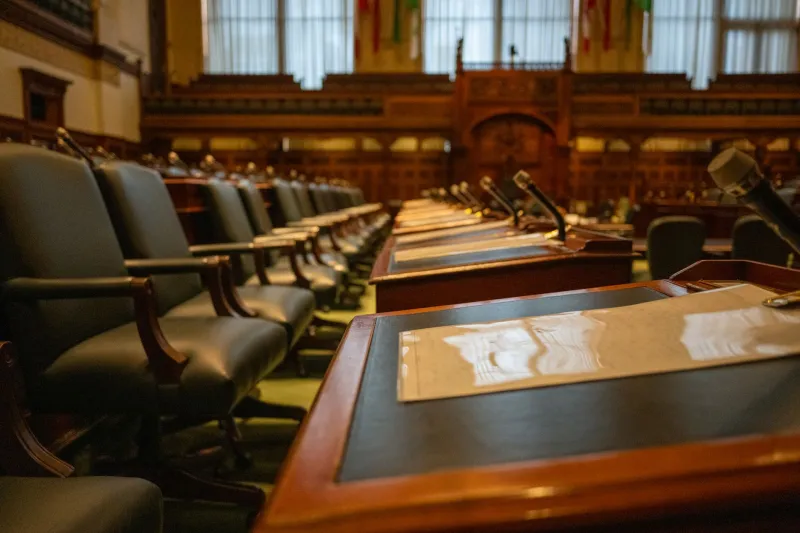
 Photo: House of Lords, via architecthouseplans.com
"He'd be perfect," noted constitutional expert Professor Victoria Hereditary-Privilege. "The Lords needs people who can spend hours discussing the importance of discussion without ever reaching conclusions that might require actual decisions."
Legacy and Future Prospects
As Sir Reginald approaches what may or may not be retirement – he remains characteristically uncommitted on the subject – his influence on British politics cannot be overstated.
"Reggie has shown us that in an era of toxic polarisation, it's possible to unite everyone behind the principle that principles should be carefully considered by people qualified to consider them," observed political historian Dr Amanda Retrospective-Analysis.
Whether Sir Reginald will continue his remarkable career or gracefully withdraw to write memoirs that say nothing about everything remains, like everything else in his extraordinary life, beautifully and perfectly unclear.
One thing is certain: British politics will never find another practitioner quite so skilled at the art of being everywhere while standing nowhere. In a democracy built on the exchange of ideas, Sir Reginald Vaguely-Committal has proved that the absence of ideas can be the most powerful idea of all.