
The Accidental Poet of Westminster
Margaret Thornberry MP has inadvertently created what linguistics experts are calling "the most significant development in governmental prose since the invention of the non-committal statement." Her relentless campaign of parliamentary questioning has produced a body of ministerial responses so magnificently uniform that Cambridge University has established a new module studying them as literature.
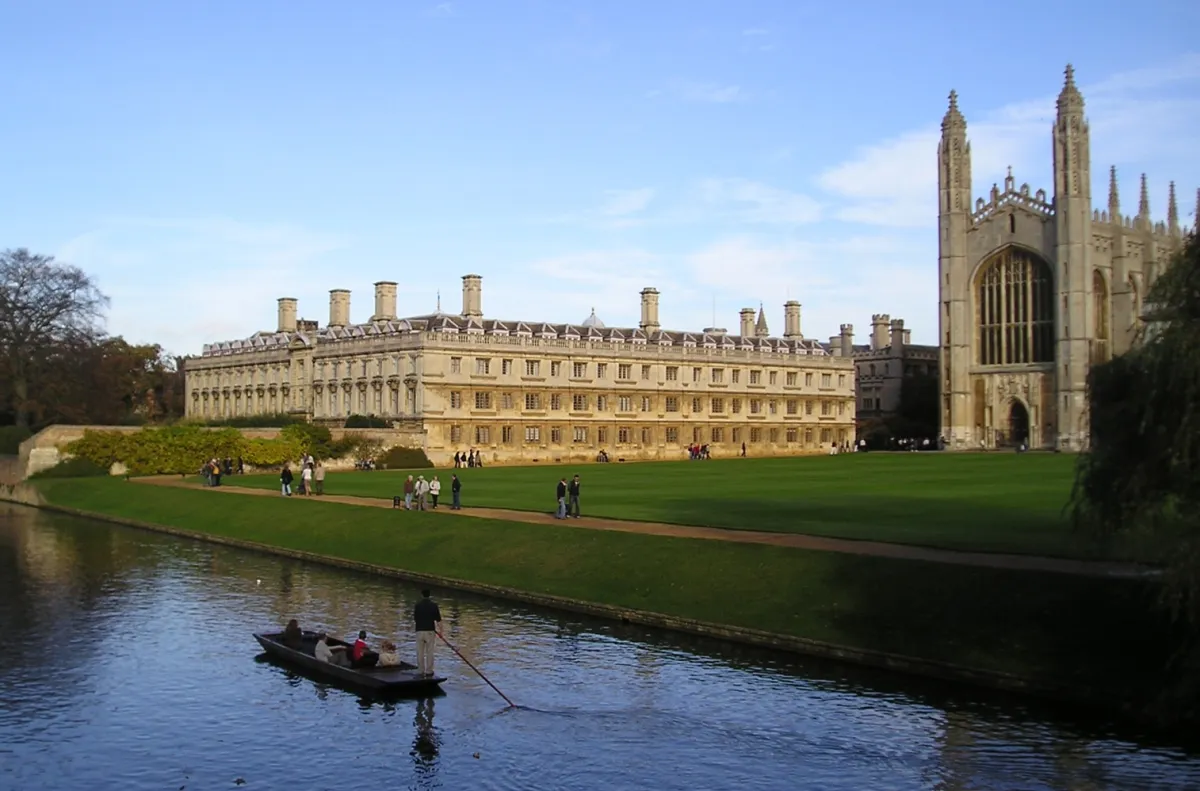 Photo: Cambridge University, via famouswonders.com
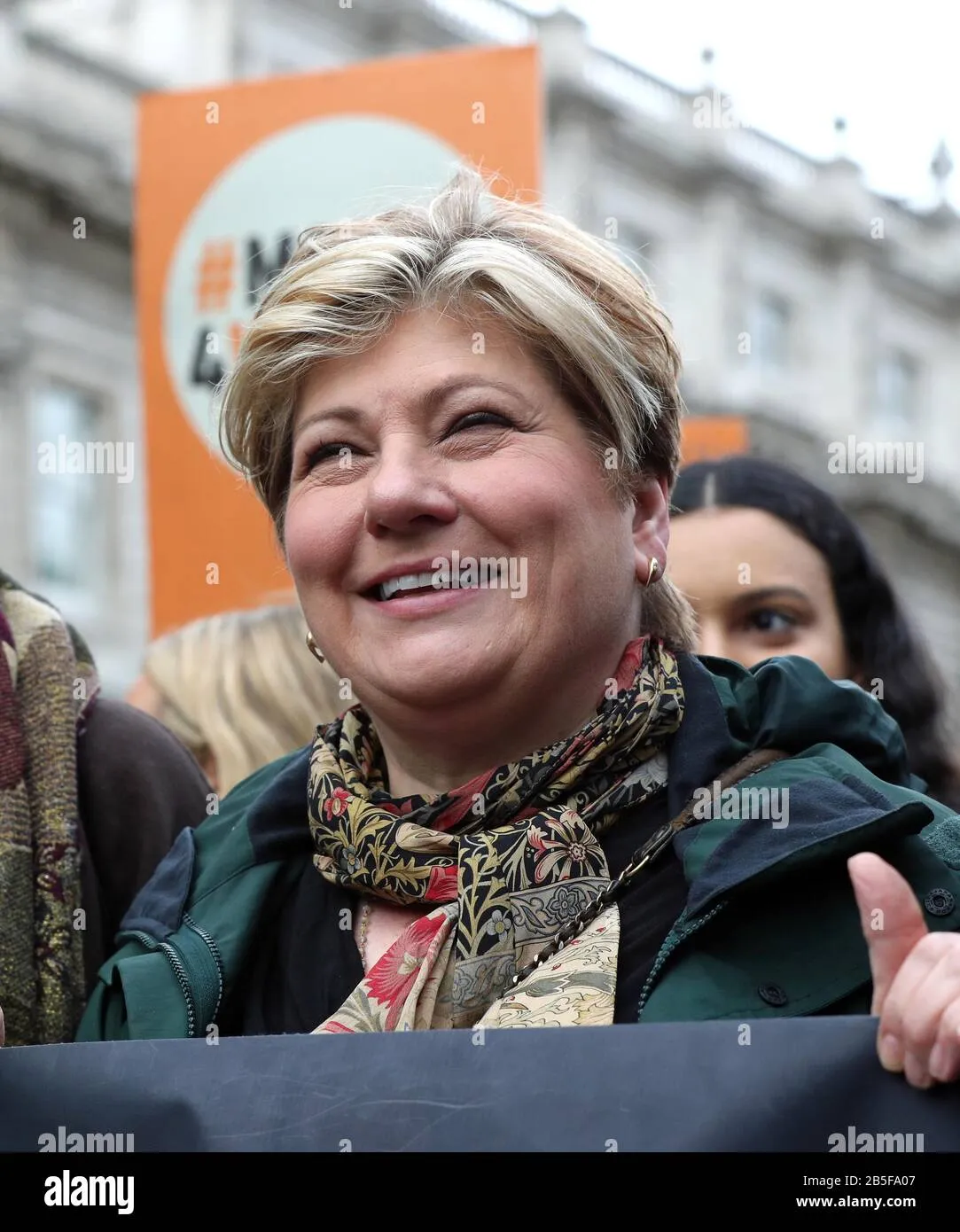 Photo: Margaret Thornberry MP, via c8.alamy.com
The Rotherham South MP began her systematic interrogation of government departments in January, submitting detailed written questions about everything from rural broadband speeds to the structural integrity of municipal flower beds. What emerged was not the transparency she sought, but rather an artistic masterpiece of bureaucratic evasion.
A Pattern Emerges
Professor Nigel Wordsworth-Syntax, who leads Cambridge's new "Governmental Literature Studies" programme, first noticed the pattern while researching modern parliamentary language: "I was struck by the almost poetic consistency. Each response contained exactly 127 words, began with 'The Government remains committed to,' and concluded with 'We will continue to monitor the situation closely.' It was like discovering a new form of haiku."
Ms Thornberry's questions covered remarkable breadth. Question 1,247 asked about traffic light maintenance schedules in Preston. Question 1,248 inquired about the cultural significance of roundabouts in Swindon. Question 1,249 sought clarification on the government's position regarding the optimal temperature for council office kettles.
The ministerial responses, while superficially different, followed an identical structure. Each acknowledged the importance of the topic, referenced ongoing reviews, mentioned stakeholder engagement, and concluded with an assurance that the matter remained under consideration.
The Literary Discovery
Dr. Sarah Paragraph-Jones, a specialist in repetitive governmental communication, has identified what she terms "symphonic variation within absolute uniformity." Her analysis reveals that while no two responses share identical wording, they convey precisely the same information content: none whatsoever.
"It's genuinely innovative," explains Dr. Paragraph-Jones. "Traditional government responses aim to appear informative while saying nothing. These responses have transcended that limitation. They don't even pretend to contain information. It's post-modern bureaucracy."
The responses have been compiled into a 400-page volume titled "Variations on a Theme of Nothing: The Thornberry Collection." Early reviews describe it as "hypnotically repetitive" and "the most honest thing ever produced by government."
Ministerial Craftsmanship
The responses were crafted by a dedicated team within the Cabinet Office's Parliamentary Question Processing Unit, led by Senior Administrative Officer Derek Synonym-Generator. His department has developed what they describe as "industrial-scale bespoke non-communication."
"Each response is individually crafted," explains Mr Synonym-Generator. "We use advanced software to ensure no two answers are identical while maintaining absolute consistency of non-content. It's taken three years to perfect the algorithm."
The system works by identifying key themes in each question, then generating responses using a database of 2,847 different ways to say "we're looking into it." The software ensures appropriate variation in sentence structure while maintaining what officials describe as "message consistency across the meaninglessness spectrum."
Unintended Consequences
Ms Thornberry remains unaware that her parliamentary activity has revolutionised governmental communication. She continues to submit questions at a rate of approximately four per day, each seeking concrete information about specific policy areas.
"I just want straight answers," she explained during a recent constituency surgery. "Surely it's not unreasonable to ask whether the Department for Transport has considered the psychological impact of yellow lines on local communities?"
Her latest question, number 1,891, asks for clarification about the government's strategy for managing autumn leaves in pedestrian areas. The response, currently being crafted by Mr Synonym-Generator's team, will acknowledge the seasonal nature of deciduous vegetation while confirming that leaf management remains an ongoing priority subject to regular review.
Academic Recognition
The constitutional innovation award, established in 1987 to recognise unintentional improvements to parliamentary procedure, will be presented to Ms Thornberry at a ceremony she doesn't know she's attending. Previous winners include the MP who accidentally filibustered his own bill and the minister who solved a housing crisis by getting lost on the way to a meeting.
Professor Wordsworth-Syntax will present the award: "Ms Thornberry has demonstrated that parliamentary questions can function as performance art. She's essentially turned the House of Commons into an experimental theatre."
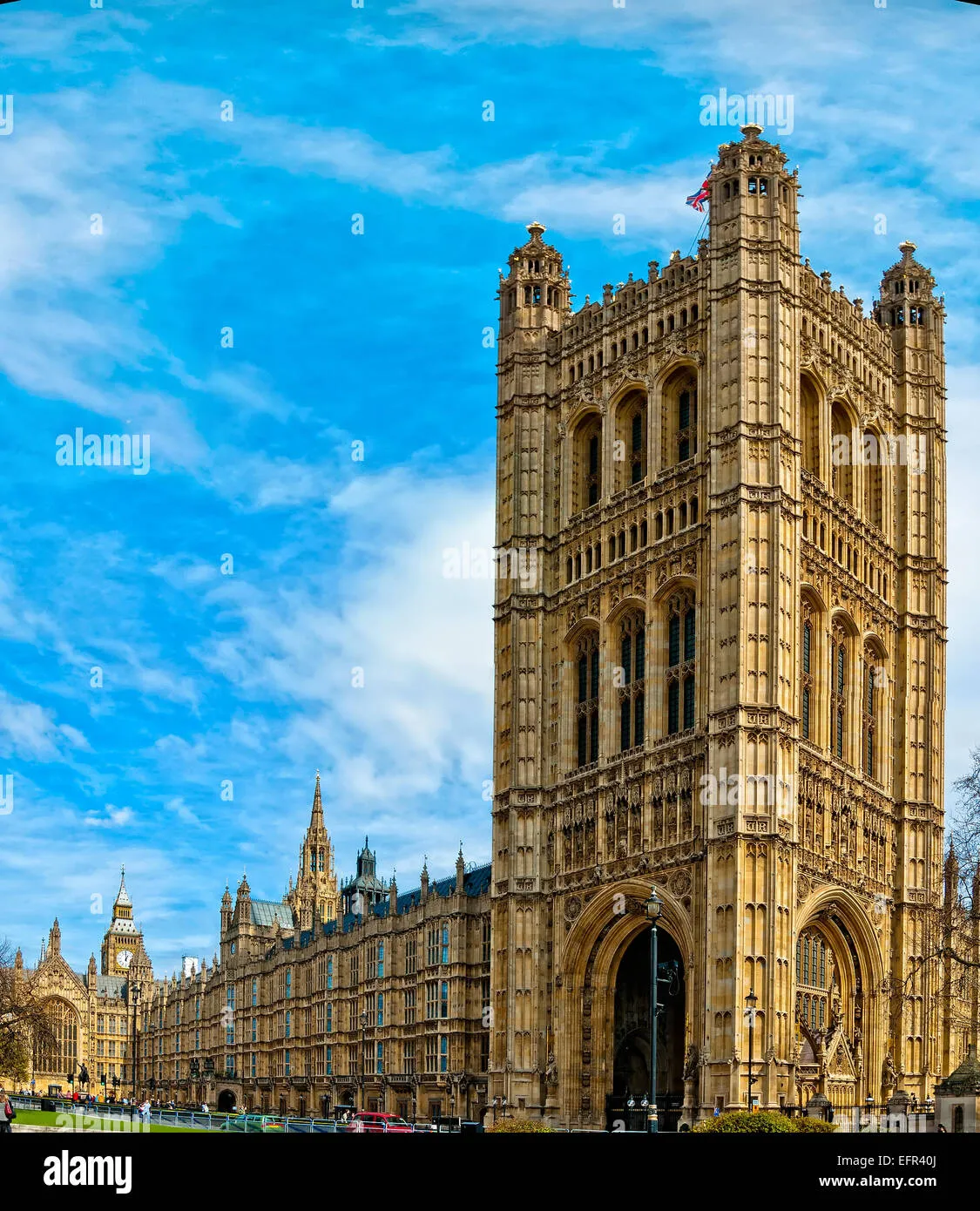 Photo: House of Commons, via c8.alamy.com
The Continuing Series
With no sign of Ms Thornberry's questioning campaign slowing down, academics are eagerly anticipating future volumes in the collection. The Cabinet Office has confirmed that response-generation capacity has been increased to meet demand, with additional synonym-detection software being installed.
As Mr Synonym-Generator noted: "We remain committed to providing Ms Thornberry with responses that fully address her questions while maintaining our high standards of informational neutrality. We will continue to monitor her questioning patterns and adapt our non-communication strategies accordingly."