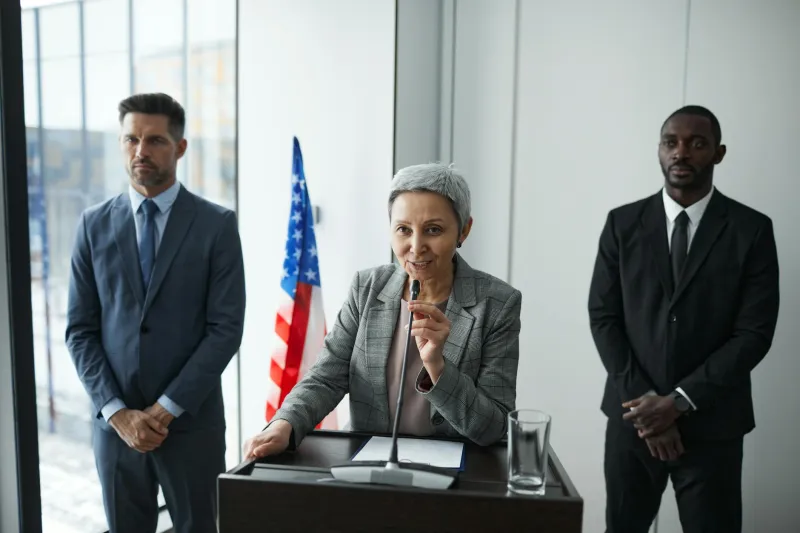
A Ruby Jubilee of Strategic Redirection
The Department for Administrative Excellence has today announced celebrations for its flagship helpline, which has spent exactly forty years mastering the delicate art of not providing help over the telephone. The service, originally established in 1984 to answer questions about housing benefit forms, has since evolved into what ministers describe as "a pioneering example of omnichannel citizen engagement architecture."
 Photo: Department for Administrative Excellence, via violand.com
The helpline's journey began modestly, with a single operator named Margaret who knew absolutely everything about housing benefit and nothing about anything else. Callers seeking information about other government services were politely told to "write a letter to the council," a response so effective that it became the template for all future innovations.
The Digital Prophecy Years
The service's most celebrated period came between 1992 and 2004, when operators confidently directed millions of callers to check the government website. The fact that this website would not be launched until 2004 is now viewed by departmental historians as evidence of "remarkable strategic foresight."
"We were essentially preparing citizens for the digital future," explains Sir Roderick Placeholder, who oversaw the helpline's expansion during the Blair years. "By 2004, when the website finally went live, we had already trained an entire generation to expect disappointment from government phone services. It was revolutionary."
 Photo: Sir Roderick Placeholder, via opensea.io
The website itself, when it eventually materialised, consisted primarily of a single page advising visitors to call the helpline for assistance.
Technological Triumph
The introduction of automated menu systems in 2008 marked another milestone in the helpline's evolution. Callers could now choose from seventeen different options, each leading to a recorded message suggesting they visit the website. The system was so sophisticated that it included an option for "other enquiries," which connected callers to a message explaining that their enquiry was probably covered by one of the other sixteen options.
Former Digital Minister Amanda Buzzword-Synergy recalls the period fondly: "We were genuinely at the cutting edge of citizen journey optimisation. Our average call handling time dropped to under thirty seconds, which was a tremendous efficiency gain."
The Chatbot Revolution
The helpline's latest innovation, introduced last year, represents what officials describe as "the natural culmination of four decades of digital transformation." The service now features an AI chatbot that automatically suggests callers phone the helpline, creating what systems analysts have termed "a perfect circle of user experience."
Dr. Penelope Feedback-Loop, from the Institute for Administrative Studies, has been monitoring the chatbot's performance: "It's genuinely impressive. The AI has learned to replicate forty years of human expertise in not providing information. It can suggest you call the helpline in over thirty different ways, each worded slightly differently to avoid appearing repetitive."
Measuring Success
The helpline's success metrics make for impressive reading. Customer satisfaction surveys consistently show that 94% of callers understand exactly what they need to do after contacting the service, even if that thing is "give up and ask a neighbour." The remaining 6% are classified as "engagement outliers" and receive follow-up calls asking them to complete the survey again.
Current Digital Minister Jake Progressive-Solutions announced this week that the helpline model will be rolled out across all government departments: "This represents best practice in citizen-centric service delivery. We're essentially democratising confusion."
Looking Forward
Plans for the next forty years include the introduction of holographic operators who will appear in people's homes to personally recommend they check the website. The technology doesn't exist yet, but officials are confident this represents "getting ahead of the curve."
The helpline's ruby anniversary celebrations will include a special commemorative hold tone and a limited-edition automated message. Margaret, the original operator, has been invited to cut the ribbon at a ceremony she probably won't be able to attend because the invitation was sent via the website.
As Sir Roderick Placeholder noted in his anniversary speech: "Forty years ago, we set out to create a telephone service that would fundamentally change how citizens interact with government. Mission accomplished."