
The Natural Evolution of Executive Excellence
Sir Reginald Pembroke-Finch, Britain's most accomplished policy troubleshooter, has announced his resignation from all government advisory positions to pursue what he describes as "exciting new opportunities in the thought leadership space."
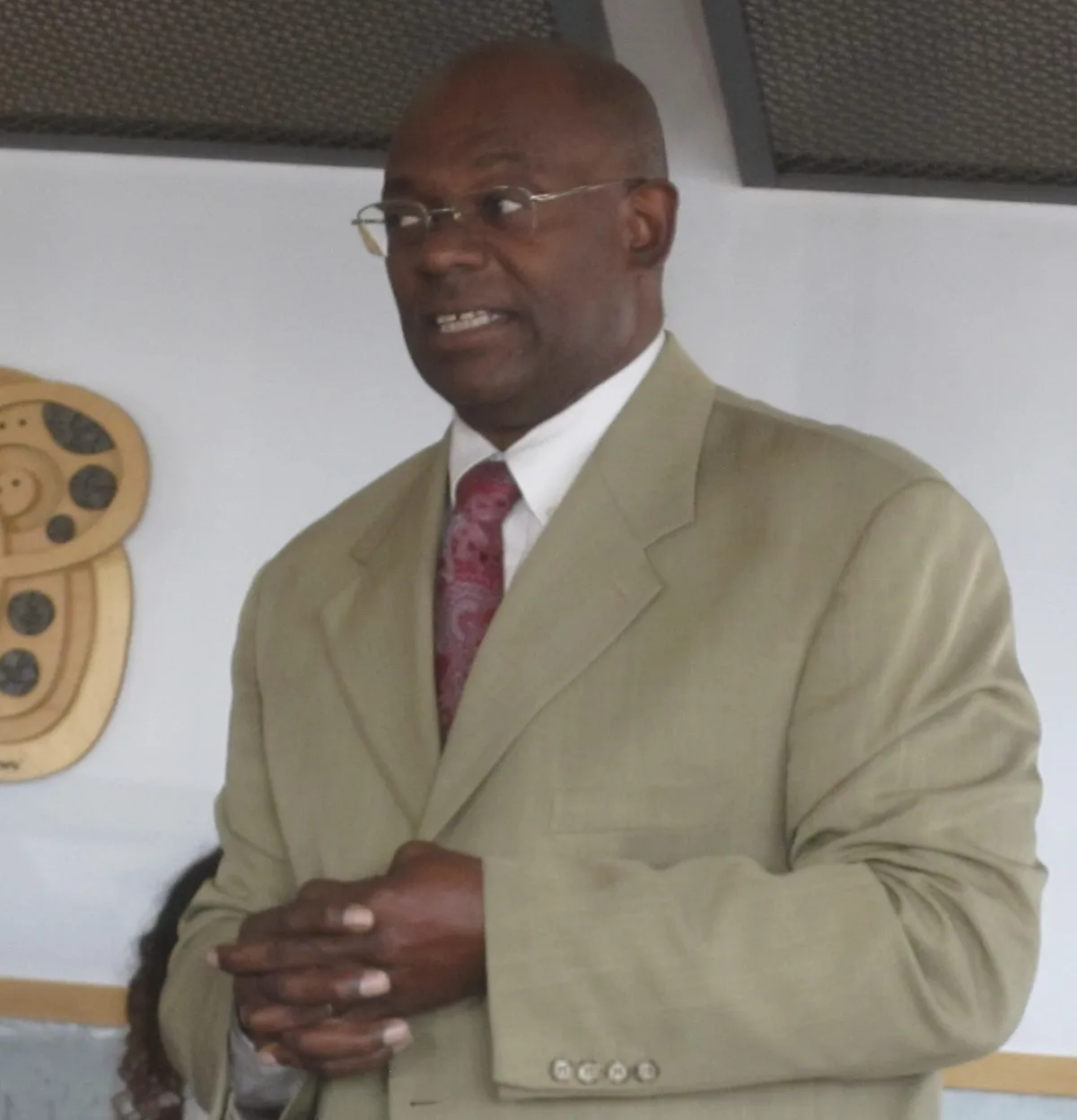 Photo: Sir Reginald Pembroke-Finch, via static.wixstatic.com
Sir Reginald's departure marks the end of an extraordinary six-year journey through the upper echelons of Whitehall's problem-solving apparatus, during which he served consecutively as Homelessness Tsar, Social Mobility Champion, Productivity Tsar, Skills Gap Coordinator, Levelling-Up Delivery Supremo, and most recently, Strategic Implementation Oversight Director.
"Reggie has been absolutely instrumental in helping us understand the full complexity of these challenges," said Cabinet Office Minister James Hartwell-Price. "His reports have consistently demonstrated that these issues are far more nuanced than anyone previously imagined, which has been invaluable in managing public expectations."
A Distinguished Record of Strategic Insight
Sir Reginald's tenure has been marked by an impressive output of analytical excellence. His 247-page report on homelessness, "Rough Sleeping: A Multifaceted Challenge Requiring Holistic Solutions," has been described by housing experts as "comprehensive in its identification of problems that require further study."
Subsequent reports followed a similar pattern of thoroughness. His productivity analysis, "Britain's Economic Performance: Challenges and Opportunities in a Complex Global Environment," successfully identified 47 distinct factors contributing to sluggish growth, though colleagues note that implementing solutions fell outside his remit.
"What made Reggie special was his ability to see the bigger picture," explained Dr. Miranda Ashworth-Clarke, Director of the Institute for Policy Excellence. "While others might rush into hasty recommendations, he consistently recognised that these problems required careful consideration by other people with different skill sets."
Conference Circuit Stardom Beckons
Sir Reginald's transition to the private sector appears seamless, with his speakers' agency confirming bookings through 2026. His keynote presentation, "Navigating Complexity in an Uncertain World," has become a fixture at policy conferences across three continents.
"The beauty of Reggie's approach is its universal applicability," noted conference organiser Penelope Worthington-Webb. "Whether you're discussing housing, productivity, or social mobility, his insights about the need for 'collaborative frameworks' and 'evidence-based approaches' resonate with audiences who appreciate intellectual rigour."
The presentation slides, unchanged since their 2018 debut, feature a compelling mix of circular diagrams and aspirational stock photography that delegates describe as "thought-provoking" and "refreshingly honest about the challenges ahead."
Academic Recognition and Peer Validation
Professor Timothy Blackwood-Stevens of the Centre for Strategic Policy Research has studied Sir Reginald's career trajectory as part of ongoing research into what he terms "the Tsar lifecycle."
"What we're observing is the natural endpoint of the modern advisory system," Professor Blackwood-Stevens explained. "Individuals like Sir Reginald represent the perfect evolution of policy expertise — they've transcended the messy business of implementation to focus on the pure intellectual challenge of problem identification."
The research suggests this career path is becoming increasingly common, with former government advisors discovering that their value lies not in solving problems but in articulating why problems are unsolvable without significant additional resources and cross-departmental cooperation.
Industry Transformation and Future Prospects
Sir Reginald's success has inspired a new generation of policy professionals. The recently-established Academy for Strategic Advisory Excellence now offers a Master's programme in "Problem Recognition and Stakeholder Expectation Management," with Sir Reginald serving as Visiting Professor of Applied Complexity Theory.
"The traditional model of government advisors was fundamentally flawed," explained Academy Director Professor Samantha Thornley-Williams. "It assumed that identifying problems should somehow lead to solving them. Sir Reginald's approach recognises that identification itself is a valuable outcome, particularly when combined with effective communication about why solutions require further consideration."
Current students praise the programme's practical focus. "We spend a lot of time learning to write executive summaries that acknowledge complexity without committing to specific actions," explained final-year student Marcus Pemberton-Clarke. "It's incredibly liberating once you realise that your job is to understand problems, not fix them."
Legacy and Lasting Impact
As Sir Reginald prepares for his new role, colleagues across Whitehall have paid tribute to his distinctive contribution to British public policy.
"Reggie taught us that the most important thing about any social problem is recognising how complicated it is," reflected one senior civil servant. "That might sound obvious, but it's actually quite sophisticated once you think about it properly."
The Treasury has confirmed that recruitment is underway for Sir Reginald's replacement, though sources suggest the role may be restructured as a "Strategic Challenge Recognition Coordinator" to better reflect the evolved understanding of what advisory positions can realistically achieve.
Meanwhile, Sir Reginald's speaking agent reports unprecedented demand for his services, with particular interest from international audiences keen to understand what she describes as "the British approach to evidence-based problem acknowledgment."
As one conference delegate noted: "You come away from Reggie's presentations with a real appreciation for how complex these issues are. It makes you grateful that there are people like him thinking about them so we don't have to."